BYD Biggest Pakistan Shipment: What It Signals for Bike Buyers
BYD’s Biggest Pakistan Shipment
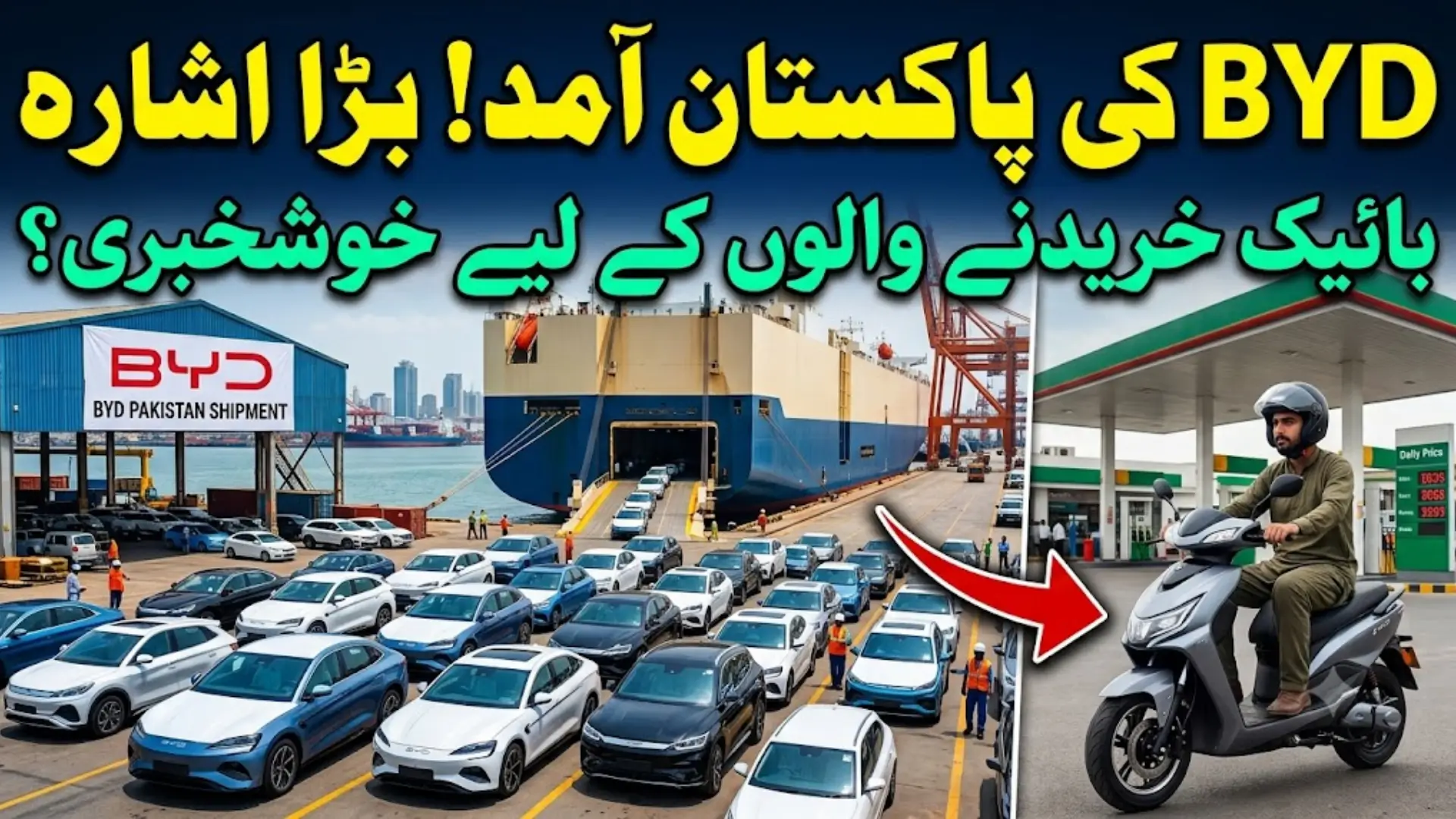
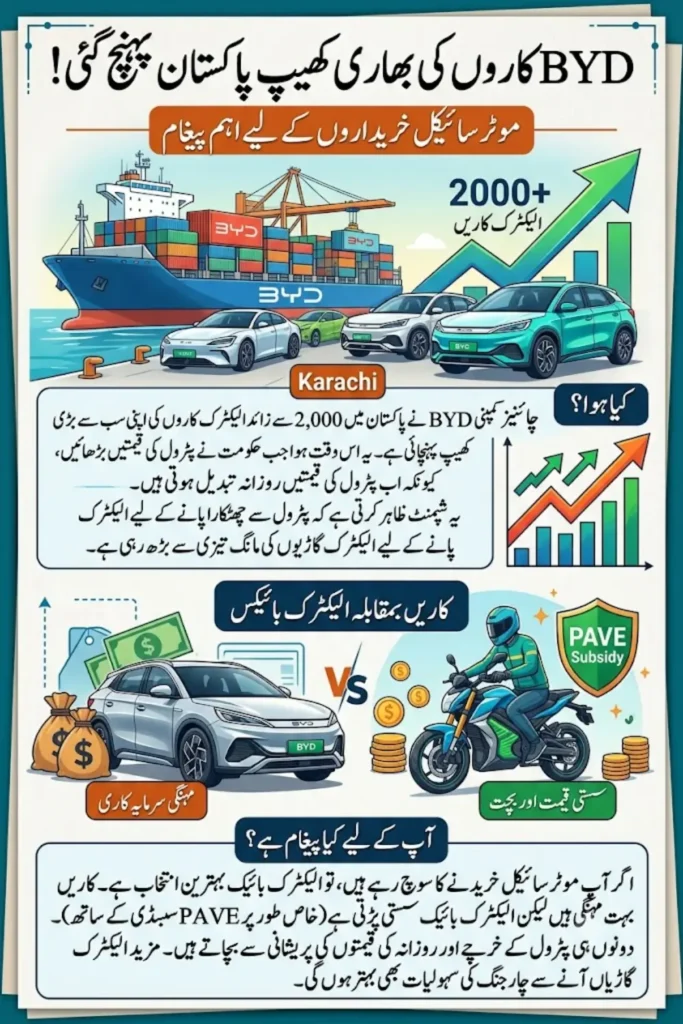
Chinese EV giant BYD just delivered its largest shipment of vehicles to Pakistan, bringing more than 2,000 new-energy cars into Karachi in a single delivery. On its own, this looks like a car industry story. But the timing of this shipment says something much bigger about where Pakistan’s transport habits are heading, and it directly affects anyone weighing an electric bike purchase right now.
What Actually Happened
BYD confirmed that its largest-ever shipment of new-energy vehicles arrived in Karachi, bringing over 2,000 cars into the country in one delivery. The company described this as a response to growing consumer demand, even while acknowledging that Pakistan’s charging infrastructure is still catching up.
What makes this shipment particularly notable is its timing. It landed just one day after the government raised petrol and diesel prices amid volatility in global oil markets tied to renewed conflict involving Iran. This was not a coincidence of timing so much as a reflection of a broader pattern playing out across the entire vehicle market.
Why Fuel Price Volatility Is Driving This Surge
Pakistan has moved away from its old system of revising fuel prices every two weeks, switching instead to a daily pricing mechanism. This change means petrol costs can shift literally every day, based on international oil prices and currency movements rather than a predictable schedule.
For car buyers, this uncertainty has become a strong argument in favor of vehicles that rely less on the pump. BYD’s own shipment data reflects exactly this shift, showing that demand for electric vehicles keeps climbing even as public charging infrastructure remains limited.
The Bigger Policy Push Behind This Trend
This surge in BYD deliveries is not happening in isolation. It fits directly into Pakistan’s New Energy Vehicle (NEV) Policy 2025-30, which targets new-energy vehicles making up 30 percent of new vehicle sales by the end of the decade.
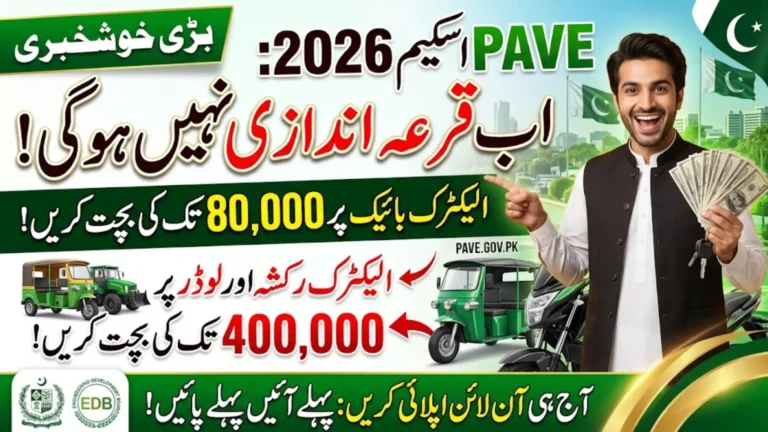
Officials working on this policy have projected that a successful transition could save the country more than two billion litres of fuel every year, cutting roughly $1 billion from the annual import bill. This is the same policy framework that supports the PAVE electric bike and rickshaw subsidy scheme, meaning the momentum building around cars like BYD’s lineup is part of the same national push benefiting electric bikes.
What This Means If You’re Considering an Electric Bike
It’s easy to assume a story about thousands of imported electric cars has nothing to do with a Rs. 200,000 electric bike purchase. In practice, the connection matters more than it appears.
The Same Problem, a Much Cheaper Solution
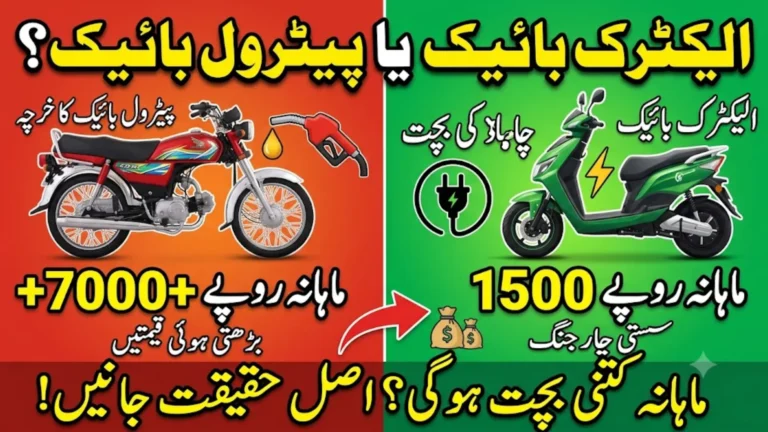
Car buyers importing BYD vehicles and everyday commuters looking at electric bikes are responding to the exact same pressure: unpredictable, rising fuel costs. The difference is the scale of investment required to solve that problem.
| Option | Approximate Cost | Who It Solves the Problem For |
|---|---|---|
| BYD electric car | Several million rupees, before duties and taxes | Buyers who can absorb a large upfront cost |
| PAVE-subsidised electric bike | Roughly Rs. 150,000 to Rs. 250,000, after subsidy | Daily commuters on a fixed budget |
For most Pakistani households, an electric bike delivers the same core benefit, freedom from unpredictable petrol pricing, at a small fraction of the investment required for an electric car.
Growing Demand Builds Infrastructure for Everyone
Every additional electric vehicle on Pakistan’s roads, whether it’s a BYD sedan or a locally assembled electric bike, adds pressure on both government and private players to expand charging infrastructure. While BYD’s cars need different charging setups than two-wheelers, the overall growth in EV demand strengthens the broader case for investment in charging networks nationwide, which eventually makes life easier for bike owners too.
Rising Demand Signals This Trend Isn’t Temporary
A shipment of this size shows that BYD is confident in sustained, not short-term, demand for electric vehicles in Pakistan. This kind of confidence from a major global manufacturer is a meaningful signal that the shift toward electric mobility is structural, driven by policy and fuel economics, rather than a passing reaction to a single price hike.
Should This Change Your Decision on Buying an Electric Bike?
If you were on the fence about switching to an electric bike, this shipment adds another data point in favor of moving now rather than waiting.
- Fuel price unpredictability is not temporary. Daily pricing means your monthly petrol budget can shift without warning, a problem an electric bike removes almost entirely.
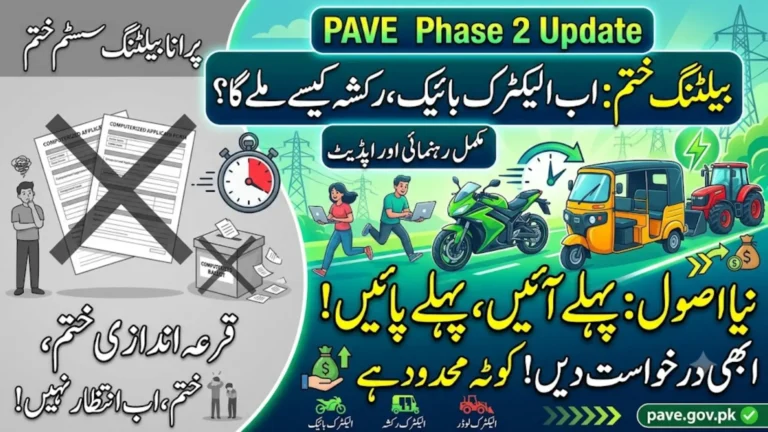
- The PAVE subsidy is active today. A subsidy of up to Rs. 80,000 remains available on approved electric bikes, and Phase 2 works on a first-come, first-served basis.
- Market confidence is growing, not shrinking. Large-scale investment from global players like BYD suggests continued government and private-sector support for EV infrastructure over the coming years.
Conclusion
BYD’s record shipment to Pakistan is ultimately a story about fuel price volatility pushing buyers toward electric mobility at every price point, not just the premium end of the market. For everyday commuters, an electric bike offers the exact same protection from unpredictable petrol prices that BYD’s car buyers are seeking, at a cost most households can actually afford, with a government subsidy still available right now.
Frequently Asked Questions
1. Why did BYD send its largest shipment to Pakistan now?
The shipment reflects growing consumer demand for electric vehicles, driven largely by rising and unpredictable fuel prices following Pakistan’s shift to daily petrol pricing.
2. Does BYD’s growth in Pakistan affect the electric bike market?
Indirectly, yes. Rising EV demand across all vehicle types strengthens the case for expanding charging infrastructure and reflects the same policy push that supports the PAVE electric bike scheme.
3. Is an electric bike a cheaper alternative to an electric car in Pakistan?
Yes, significantly. A PAVE-subsidised electric bike typically costs a small fraction of an imported electric car, while addressing the same core problem of rising fuel costs.
4. Is Pakistan’s charging infrastructure ready for this much EV growth?
Not fully. Public charging infrastructure remains limited, though it is expanding gradually alongside government policy targets and private investment.
5. What is the government’s target for electric vehicle adoption?
Under the NEV Policy 2025-30, Pakistan aims for new-energy vehicles to make up 30 percent of new vehicle sales by the end of the decade.
6. Should I wait for prices to drop before buying an electric bike?
For most commuters, the current PAVE subsidy combined with rising fuel price uncertainty makes buying now more practical than waiting, since the subsidy scheme is first-come, first-served.